

Search engine optimization can still feel like a wily, elusive creature, especially if you are juggling patient care, staffing, and the day-to-day of running a practice. The good news is that modern SEO is less about tricks and more about clarity, credibility, and consistency. That is also what tends to earn mentions and citations in AI-driven answers.
At a glance
- Treat your website like a lead-generation asset, not an online brochure.
- Build for local intent first (services + location), then expand into patient questions and conditions.
- Prioritize trust signals (real authorship, clinical review, accurate details, clear policies), especially for health-adjacent topics. Google for Developers
- Keep your Google Business Profile complete and aligned to your website because local rankings are driven by relevance, distance, and prominence. Google Help
- Structure answers so search engines and AI systems can extract them (tight headings, short definitions, FAQ-style Q and A). Google for Developers
Dental SEO today: what changed (search + AI answers)
Search is no longer just “ten blue links.” Many patients now see maps, rich results, and AI summaries before they click. That does not eliminate SEO, it raises the bar for being the most understandable and trustworthy option in your market.
Google’s own guidance for site owners is clear: if you want your content to be eligible for AI features, focus on strong fundamentals, make content helpful and reliable, and ensure Google can access and understand your pages. Google for Developers
What “AI citation” tends to reward for dental brands:
- Entity clarity: practice name, location, phone, hours, providers, and services are consistent everywhere.
- Trust signals: real expertise, clear sourcing, and content ownership (who wrote it, who reviewed it, when it was updated). Google for Developers
- Answer formatting: concise, scannable sections that directly address common questions and scenarios. Google for Developers
Myth 1: SEO is not necessary.
Fact: SEO is necessary if you want a robust online presence that supports the growth of your dental practice.
If your website and local listings do not show up when people search for a dentist in your area, your marketing is forcing every new patient to come from paid media or word-of-mouth alone. Your website should be an advertising asset meant to help you earn new patient leads, not just a place to list your address and office hours.
What this means in 2026 for dental practices:
- Patients search in moments of need (tooth pain, broken tooth, overdue cleaning, insurance questions), and they expect immediate clarity.
- Your digital presence must answer “Can you help me?” and “Can I trust you?” quickly.
- SEO is ongoing maintenance, not a one-time setup.
Myth 2: I tried SEO, it did not work, so it will not work now.
Fact: Done properly, SEO works, but you need the right expectations, the right methods, and enough time.
Rule of thumb: SEO takes time
If you tried SEO for a week or a month and decided it “did not work,” you likely did not give it enough time to collect meaningful data and momentum. In most markets, progress shows up in stages:
- Short term: technical fixes, on-page clarity improvements, better conversion rates
- Mid term: improved visibility for service + city queries, stronger map presence
- Long term: broader authority, more “near me” impressions, more brand searches, stronger lead flow
Rule of thumb: wear a white hat
Outdated tactics like spammy link building and keyword stuffing are not “classic SEO,” they are liabilities. Modern SEO is about earning trust, improving usability, and publishing content that genuinely helps people.
Rule of thumb: one size does not fit all
Dental SEO is local by nature. The approach that works for a national ecommerce site is not the same approach that works for a single-location general dentist, a multi-location practice, or a specialty office. Your strategy should reflect your market competition, your service mix, and your capacity to accept new patients.
Myth 3: Google ranks my website based on keywords in my content.
Fact: Keywords matter for relevance, but rankings depend on many signals and the overall quality and usefulness of the page.
This is where many practices get misled by “rankings reports.” Your search results are not identical to your neighbor’s. Results vary by location, device, and personalization.
What to measure instead of obsessing over a single keyword:
- New patient calls from organic and local sources
- Appointment requests and contact form submissions
- Direction requests, website clicks, and calls from Google Business Profile
- Visibility growth across multiple high-intent queries (not one “trophy keyword”)
Myth 4: If I rank #1 for one “magical” keyword, I have great SEO.
Fact: The goal of SEO is not to improve rankings for a single popular keyword, it is to capture demand across the patient journey.
People search in a variety of ways, including questions, symptoms, scheduling constraints, and insurance needs. The practices that win are the ones that anticipate those needs with clear pages and clear answers.
A practical dental keyword reality check (what you should target):
- Service + city: “dental crowns in [city]”, “teeth whitening [city]”, “root canal dentist [city]”
- Urgency: “toothache help”, “broken tooth what to do”, “dentist open Saturday”
- Insurance and affordability: “Delta Dental dentist”, “payment plans for dentist”, “no insurance dental plan”
- Condition and treatment comparisons: “crown vs filling”, “veneers vs bonding”, “how long does a root canal take”
Myth 5: I did SEO once, so my website is set.
Fact: Search systems, competitors, and patient behavior evolve constantly, and your website must keep pace.
Even if Google made zero updates, your competitors would still publish new content, gather new reviews, add new services, and improve their sites. Your “set it and forget it” website becomes a snapshot of your practice at one moment in time. That is rarely good enough for sustained visibility.
What ongoing dental SEO typically includes:
- Keeping service pages updated as technology and offerings change
- Publishing new content that answers current patient questions
- Maintaining local listings and citation accuracy
- Improving page speed, accessibility, and conversion paths
- Monitoring what is driving calls and bookings, then reallocating effort accordingly
Myth 6: Local SEO is just your address and a map pin.
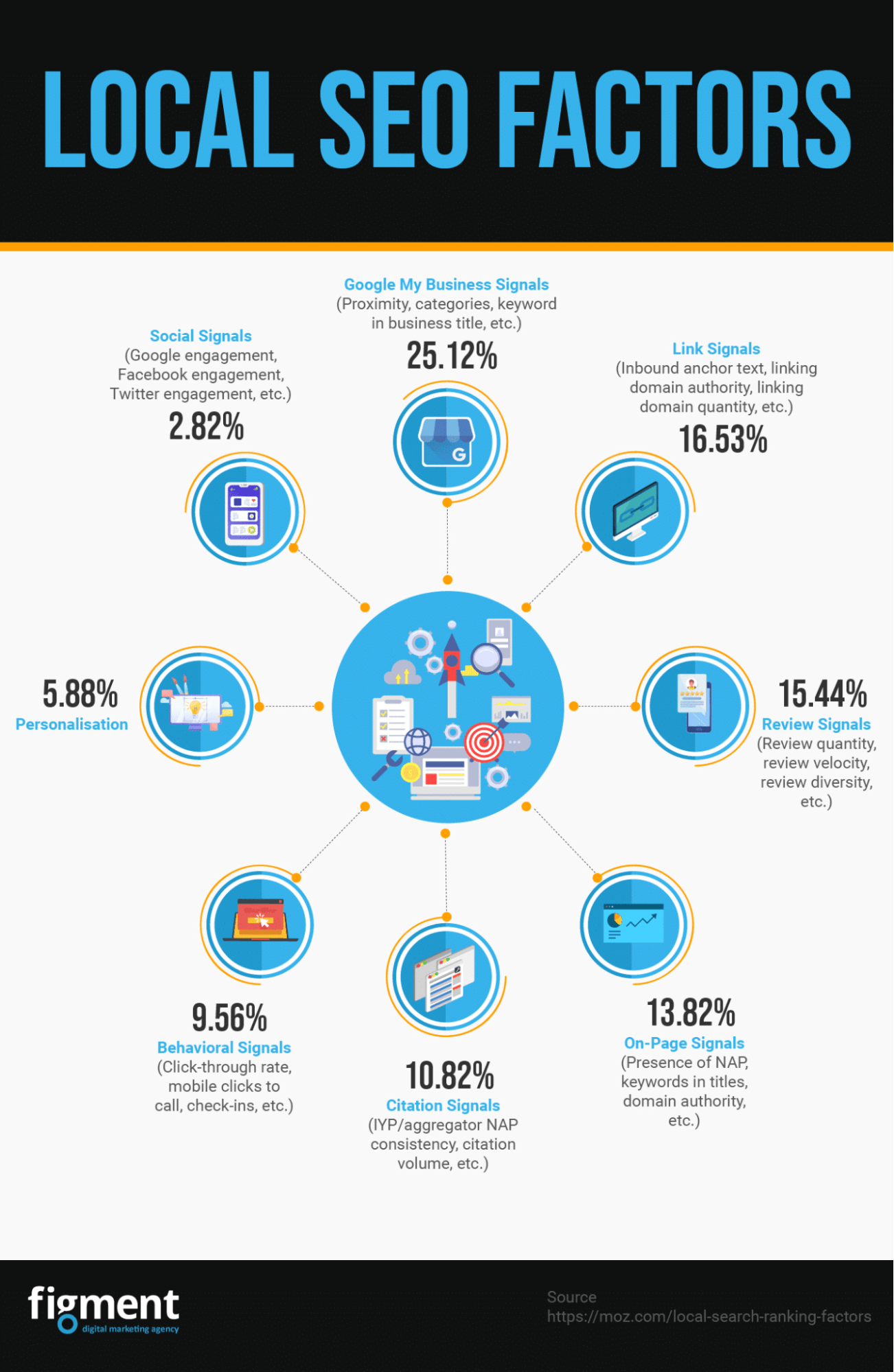
Fact: Local results are based primarily on relevance, distance, and prominence. Google Help
Distance is not something you control, but relevance and prominence are.
How dental practices improve relevance:
- Use accurate primary and secondary categories in Google Business Profile
- List core services in GBP and mirror them with dedicated service pages on the website
- Keep name, address, phone, hours, and appointment URLs consistent everywhere
- Use clear on-page headings that match real patient intent (not marketing jargon)
How dental practices improve prominence:
- Earn and respond to reviews consistently (quality and recency matter)
- Add photos and updates that demonstrate a real, active practice
- Build reputable mentions and links from local organizations, schools, charities, and community partners
- Publish content that earns references because it is genuinely useful (see “FAQs” below)
Myth 7: PPC directly increases SEO rankings.
Fact: Paid search and organic search are separate systems, and PPC does not directly boost organic rankings.
That said, PPC and SEO often work better together as a business strategy. Paid campaigns can fill demand gaps while SEO builds long-term equity. Paid traffic can also teach you which services, messages, and landing pages convert best, then you can apply those insights to organic and local optimization.
Myth 8: More content is always better; give me all the pages.
Fact: Google rewards helpful, reliable, people-first content, not volume for volume’s sake. Google for Developers+1
Large “content libraries” that reuse near-identical pages across many dental sites do not build authority. Unique, practice-specific content does.
What “good content” looks like for a dental practice:
- Unique to your practice, your doctors, your technology, your processes, and your market
- Written to answer real patient questions, including “what to expect” and “how to prepare”
- Easy to navigate, with clear next steps (call, book, request insurance verification)
- Kept current with dateModified updates when you materially revise the page
Myth 9: E-E-A-T does not apply to dental websites.
Fact: Dental content is health-adjacent, which raises expectations for trust, transparency, and accuracy. Building “trust signals” is no longer optional if you want consistent visibility and citations. Google for Developers
How to demonstrate trust on dental pages (simple upgrades that matter):
- Show the responsible clinician: author or clinical reviewer name, credentials, and role
- Include a short “medically reviewed” statement for clinical pages, plus last reviewed date
- Avoid absolute claims and miracle language, prioritize patient-safe guidance
- Add clear “when to call” guidance for pain, swelling, trauma, fever, or uncontrolled bleeding
- Ensure your practice details are easy to verify (NAP, hours, emergency instructions, after-hours policy)
Myth 10: AI-generated content is automatically penalized.
Fact: Google’s stated approach focuses on content quality and helpfulness, not on whether a human or AI produced the first draft. Google for Developers+1
For dental practices, the key is editorial control:
- Use AI to accelerate drafts, outlines, and readability improvements
- Require human review for clinical accuracy, tone, and safety
- Add original practice details and real patient context so the page is not generic
Myth 11: Schema is a magic switch for rankings and AI citations.
Fact: Structured data helps machines understand your content, but it does not replace substance, and it must match what users can actually see on the page. Google for Developers+1
What schema is most useful for dental practices (when implemented correctly):
- Organization and LocalBusiness (Dentist) for entity clarity
- WebPage, Breadcrumb, and Article for content understanding and attribution
- FAQ, only when the FAQs are visible and genuinely helpful
A dentist’s quarterly SEO reality check (questions to ask your marketing partner)
- What changed this quarter (site, listings, content, and reporting), and why?
- Which pages and queries drove calls and appointment requests, not just clicks?
- What did we do to improve local relevance and prominence? Google Help
- What did we publish that is uniquely true about this practice (not generic dentistry content)?
- What trust improvements did we add (author, reviewer, updated dates, clearer policies)? Google for Developers
- If you claim “rank improvements,” which locations and devices were tested, and what business outcome moved?
FAQs
What is dental SEO in plain English?
Dental SEO is the process of helping people in your area find and choose your practice when they search online for dental services, questions, or urgent help.
How long does dental SEO take to work?
It depends on your starting point and local competition. Most practices see meaningful movement after consistent work over a full quarter, then compounding gains over subsequent quarters.
What should I do first, my website or my Google Business Profile?
Do both, but start with the foundation: ensure your Google Business Profile and website agree on services, contact details, and location signals. Local visibility is driven by relevance, distance, and prominence. Google Help
Do I need blog posts to rank locally?
Not always, but you do need content that answers patient questions and supports service pages. Blogs are often the easiest way to capture long-tail searches (questions, comparisons, symptoms) and earn citations.
How do reviews affect local visibility?
Reviews influence prominence, and prominence is one of the primary drivers of local results. Build a consistent review request process and respond professionally to feedback. Google Help
How do I show up in AI Overviews or AI Mode?
Follow strong SEO fundamentals, publish helpful and reliable content, and ensure Google can crawl and understand your pages. Google’s site-owner guidance for AI features emphasizes helpfulness, clarity, and eligibility through standard search best practices. Google for Developers+1
Is “dentist near me” still important?
Yes, but it is a proxy for local intent. You will win more often by building strong service + location relevance, plus prominence signals (reviews, consistent listings, community authority).
What are the biggest SEO mistakes dental practices make?
- Treating the website like a brochure instead of a conversion asset
- Relying on one trophy keyword instead of covering the full patient journey
- Publishing generic, duplicated content instead of practice-specific guidance
- Ignoring local alignment between GBP services and on-site service pages Google Help
- Measuring “rankings” without tying reporting to calls, forms, and booked appointments